

Introduction
The LinkedIn login page is the gateway to one of the world’s largest professional networking platforms. Whether you’re searching for a new job, building your professional network, recruiting top talent, or sharing industry insights, accessing your account starts with a simple login. While the process is straightforward, many users still encounter issues such as forgotten passwords, login errors, browser problems, or account security concerns.
Understanding how the LinkedIn login page works can save you time and help protect your account from unauthorized access. With cyber threats becoming more common, knowing the best practices for secure login is just as important as remembering your password. LinkedIn also offers several convenient login methods and recovery options that make account access easier than ever.
In this guide, we’ll cover everything you need to know about the LinkedIn login page, including how to sign in, recover your account, troubleshoot common problems, and keep your profile secure. Whether you’re a first-time user or a long-time LinkedIn member, this article will help you navigate the login process with confidence.
What Is the LinkedIn Login Page?
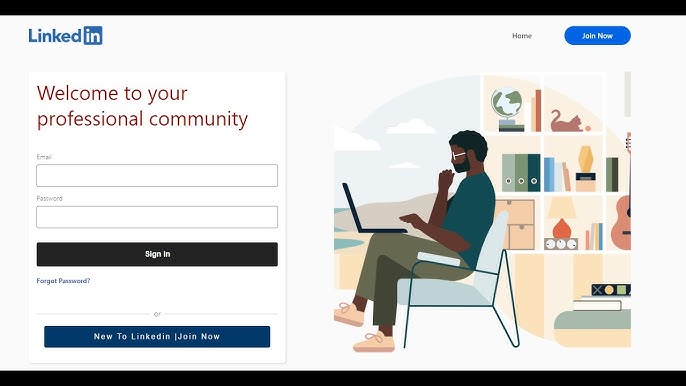
The LinkedIn login page is the official sign-in portal where registered users enter their email address or phone number along with their password to access their LinkedIn accounts. It serves as the secure entry point to your personal profile, professional connections, job applications, and messaging system.
Once you successfully log in, you can explore job opportunities, connect with professionals from around the world, publish posts, join industry groups, and manage your career development. LinkedIn continuously updates its interface to improve usability while maintaining strong security standards for user accounts.
It is always recommended to access the official LinkedIn login page directly instead of clicking unknown links in emails or messages. Using the official website helps reduce the risk of phishing attacks and keeps your account information protected.
How to Access the LinkedIn Login Page
Accessing the LinkedIn login page is simple and only takes a few moments. Open your preferred web browser and visit LinkedIn’s official website. From there, you’ll see the login form displayed prominently on the homepage.
Enter your registered email address or phone number in the first field and your password in the second field. After reviewing your information, click the “Sign In” button to access your account. If your credentials are correct, you’ll be redirected to your LinkedIn homepage immediately.
If you’re using a personal device, you may choose to stay signed in for faster access during future visits. However, avoid enabling this option on shared or public computers to protect your personal information.
Common LinkedIn Login Problems and Their Solutions
Many users occasionally experience issues while trying to access the LinkedIn login page. Fortunately, most login problems are easy to resolve with a few simple troubleshooting steps.
One of the most common issues is entering an incorrect password. If you’ve forgotten your password, use the “Forgot Password” option to reset it. LinkedIn will send a verification link or code to your registered email address or phone number so you can create a new password securely.
Browser-related problems can also prevent successful login. Clearing your browser’s cache and cookies, updating your browser to the latest version, or trying a different browser often resolves these issues. If the problem continues, check your internet connection and ensure LinkedIn’s services are operating normally.
How to Recover a LinkedIn Account
Losing access to your LinkedIn account can be frustrating, but the recovery process is designed to help legitimate users regain access quickly. Start by selecting the password recovery option on the LinkedIn login page and follow the verification instructions.
LinkedIn may ask you to verify your identity through your registered email address, phone number, or additional security questions. Completing these verification steps helps confirm that you are the rightful account owner before allowing password changes.
If you no longer have access to your recovery email or phone number, LinkedIn provides additional account recovery options. You may be asked to submit identity verification documents depending on your situation, ensuring your account remains protected from unauthorized access.
Security Tips for Using the LinkedIn Login Page
Protecting your LinkedIn account should always be a priority. Start by creating a strong password that combines uppercase letters, lowercase letters, numbers, and special characters. Avoid using easily guessed information such as birthdays or common words.
Another important security feature is two-step verification. When enabled, LinkedIn requires an additional verification code during login, making it much harder for unauthorized users to access your account even if they know your password.
Be cautious when accessing LinkedIn on public Wi-Fi networks or shared computers. Always sign out after your session and avoid saving passwords on devices that others can access. Regularly reviewing your account activity also helps identify any unusual login attempts.
Benefits of Logging Into LinkedIn Regularly
Logging into LinkedIn regularly helps you stay connected with your professional network and remain informed about career opportunities. Recruiters frequently search for active users, making consistent activity beneficial for job seekers.
Regular access also allows you to respond quickly to connection requests, recruiter messages, and industry discussions. Staying active improves your profile visibility and helps maintain meaningful professional relationships.
Additionally, LinkedIn frequently introduces new features, learning resources, and networking opportunities. By logging in often, you can take advantage of these updates and continue developing your professional presence.
Best Practices for a Smooth Login Experience
Maintaining a smooth login experience begins with keeping your contact information up to date. Ensure your email address and phone number remain current so you can recover your account easily if needed.
Using a password manager can simplify account management while improving security. Password managers generate strong passwords and securely store them, reducing the likelihood of forgotten credentials or password reuse across multiple websites.
Finally, always verify that you’re visiting the official LinkedIn website before entering your login details. Checking the website address and secure connection indicators helps protect your account from fraudulent websites designed to steal user credentials.
Conclusion
The LinkedIn login page is more than just a sign-in screen—it’s the starting point for building professional relationships, discovering career opportunities, and expanding your network. Understanding how the login process works, knowing how to troubleshoot common issues, and following recommended security practices can help you access your account safely and efficiently.
Whether you’re logging in to search for a new job, connect with industry professionals, or grow your personal brand, taking a few extra steps to secure your account is always worthwhile. By using strong passwords, enabling two-step verification, and accessing only the official LinkedIn website, you can enjoy a safe and seamless experience every time you sign in.
As LinkedIn continues to evolve, staying informed about login features and account security will ensure that your professional profile remains accessible, protected, and ready to support your career goals.
You May Also Read: Alton Telegraph