

swiss chems If you have spent any real time hanging around biochemical forums, biohacking circles, or academic compound discussions over the past few years, you have almost certainly come across the name Swiss Chems. They have positioned themselves as one of the most recognizable suppliers in the online research chemical space. Whether you are looking into Selective Androgen Receptor Modulators (SARMs), therapeutic peptides, or specialized metabolic agents, their vast product catalog frequently dominates search results and forum recommendations.
However, navigating the online landscape for research compounds is notoriously tricky. The market is flooded with re-labeled generic compounds, questionable purity claims, and vague laboratory testing reports. To truly evaluate a vendor like Swiss Chems, you need to look past flashy branding and examine the core fundamentals: how they source their products, how their testing protocols measure up, and what safety considerations researchers need to keep top of mind.
Below, we break down everything you need to know about Swiss Chems, from their catalog specifics to critical industry compliance realities.
What Exactly Is Swiss Chems and How Did They Build Their Reputation?
Swiss Chems is a third-party vendor specializing in the distribution of research chemicals, bioactive peptides, and related laboratory compounds. Rather than operating as a primary pharmaceutical manufacturer, they act as an intermediary distributor that sources bulk raw powders, oversees quality control, packages the materials into consumer-ready formats (such as oral capsules, injectable vials, or liquid suspensions), and distributes them globally. Over the years, they gained massive market share by establishing a reliable web interface and accepting modern payment methods—including cryptocurrency—which appealed to international researchers seeking streamlined purchasing.
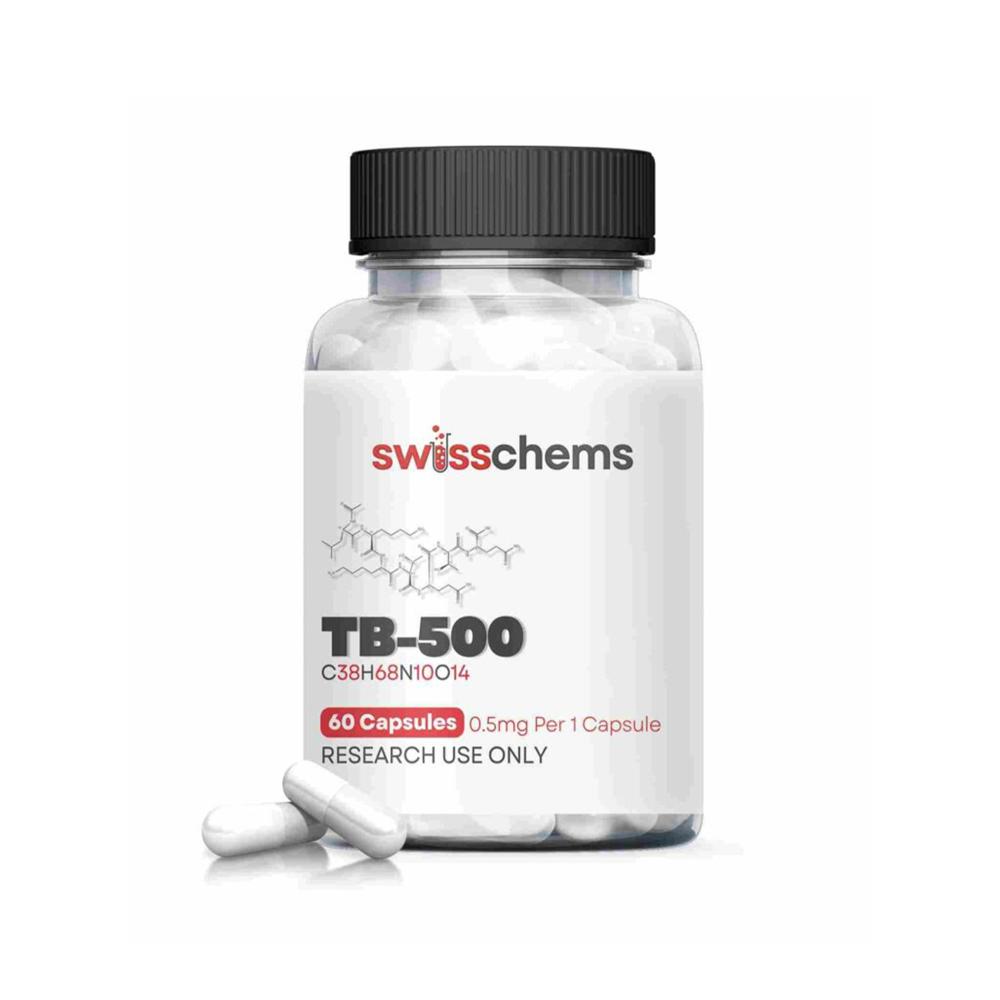
A major driver behind their popularity is their transition toward convenient oral formats. While many research chemical vendors sell pure raw powders or liquid drops suspended in solvents like PEG-400 or DMSO, Swiss Chems carved out a niche by offering encapsulated dry-powder forms for many of their SARMs and metabolic compounds. For many independent research setups, encapsulated forms reduce the margin of error involved in volumetric liquid measuring, making their lineup particularly user-friendly for standardized trial doses.
Beyond convenient delivery methods, Swiss Chems built brand loyalty by maintaining consistent domestic shipping channels within North America and Europe. In an industry where orders frequently get stuck in customs or take months to arrive from overseas suppliers, having localized fulfillment centers gave them a distinct competitive edge. This operational efficiency, paired with aggressive affiliate marketing and community outreach, solidified their status as a major player in the space.
Analyzing the Product Lineup: SARMs, Peptides, and Nootropics
The Swiss Chems product catalog is vast, but it primarily splits into three distinct categories: Selective Androgen Receptor Modulators (SARMs), Synthetic Peptides, and Ancillary Support Compounds. In the SARMs category, you will find widely studied investigational agents like Ostarine (MK-2866), Ligandrol (LGD-4033), and Testolone (RAD-140), as well as non-steroidal growth hormone secretagogues like Ibutamoren (MK-677). These compounds are historically researched for their tissue-selective anabolic properties, aiming to target androgen receptors in muscle and bone tissue while minimizing unwanted activity in other organs.
On the peptide side of their catalog, Swiss Chems supplies a range of short-chain amino acid sequences intended for cellular repair, growth hormone pulse regulation, and metabolic studies. Popular offerings include BPC-157 and TB-500—peptides widely cited in preclinical literature for their potential angiogenic and tissue-healing mechanisms—alongside metabolic regulators like GLP-1 receptor agonists (e.g., Semaglutide). Their peptide lineup usually requires reconstitution with bacteriostatic water, adhering to standard laboratory handling protocols.
Lastly, Swiss Chems offers an ancillary lineup that includes Post-Cycle Therapy (PCT) research agents, selective estrogen receptor modulators (SERMs) like Tamoxifen and Clomiphene, and various cognitive-enhancing nootropics or longevity compounds (such as NAD+ precursors). By offering both primary research compounds and secondary support agents, the company functions as a “one-stop shop” for complex experimental models requiring multi-phase compound protocols.
Purity Standards and Third-Party Lab Testing Protocols
In the world of research chemicals, a vendor’s reputation lives or dies by its Certificate of Analysis (CoA). Because these compounds are synthesized in bulk manufacturing facilities—often overseas—purity testing is the single most critical factor in determining whether a batch is safe for analytical research or contaminated with heavy metals, unreacted synthesis reagents, or incorrect compounds.
Swiss Chems addresses this demand by publishing batch-specific CoAs on their platform. High-standard vendors typically rely on High-Performance Liquid Chromatography (HPLC) to verify chemical purity and Mass Spectrometry (MS) to confirm exact molecular weight and identity. When evaluating a Swiss Chems COA, an expert eye looks for purity scores consistently exceeding 98% or 99%, along with testing conducted by accredited, independent, third-party laboratories located in the United States or Europe, rather than internal in-house testing or manufacturer-supplied sheets.
However, researchers should maintain a healthy level of critical analysis regarding these testing sheets. Third-party verification is only as good as the frequency and transparency of the testing regime. Ideally, a vendor should provide updated COAs for every single incoming batch rather than relying on a single passing report from two years prior. Checking the batch number on your product container against the published lab report on their site remains an essential step for verifying that the compound in your hand actually matches the documentation provided.
Regulatory Realities, FDA Warning Letters, and Safety Considerations
Working with or studying compounds from Swiss Chems requires a clear understanding of the legal and regulatory framework governing this industry. Most compounds sold by Swiss Chems—including SARMs and unapproved peptides—are not approved by the U.S. Food and Drug Administration (FDA) or European Medicines Agency (EMA) for human consumption. Consequently, vendors sell these items under the strict legal designation of “Research Chemicals – Not for Human Use”.
It is important to note that regulatory authorities strictly monitor this space. In recent years, regulatory bodies including the FDA have issued formal warning letters to vendors in the research space—including Swiss Chems—when marketing materials, social media posts, or customer claims suggest that unapproved compounds like Semaglutide or SARMs are intended for therapeutic or human use. These regulatory actions highlight the ongoing friction between consumer demand for biohacking compounds and federal laws enforcing drug safety standards.
From a safety perspective, researchers and individuals must recognize the inherent risks involved with investigational molecules. Compounds like SARMs can cause natural endocrine suppression, liver enzyme elevation, and altered lipid profiles, while unvetted peptides can trigger immune reactions or unwanted side effects. Understanding the mechanism of action, potential side effects, and strict regulatory boundaries is paramount before purchasing or working with any compounds from third-party chemical suppliers.
Pricing, Ordering Logistics, and the Final Verdict
When comparing Swiss Chems to other prominent vendors in the research chemical space, their pricing generally falls into the mid-to-high tier range. While you can often find raw bulk powders cheaper from unvetted overseas suppliers, the premium charged by Swiss Chems reflects the added costs of third-party testing, domestic distribution, encapsulated delivery formats, and customer support. They also offer loyalty programs, bulk purchase discounts, and crypto payment incentives, which help offset the higher baseline cost for frequent buyers.
In terms of logistics, customer experiences are generally positive regarding shipping speed and packaging discretion. Orders typically ship in plain, unbranded boxes, minimizing issues during domestic transit. However, international customers should always check their specific country’s import laws, as customs agencies in regions like Australia, Canada, or the EU frequently confiscate research chemicals like SARMs and peptides regardless of how they are labeled.
Ultimately, Swiss Chems has established itself as an accessible, widely used vendor in the research compound market. Their encapsulated product formats, extensive peptide selection, and commitment to posting third-party CoAs make them a popular choice for research enthusiast circles. That said, buyers must remain vigilant: always cross-reference batch numbers on third-party lab reports, stay updated on regulatory warnings, and respect the serious biological potency of these unapproved investigational compounds.
You May Also Read: Taylor Swift iHeartRadio Awards: