

Introduction
wearables feedworldtech Wearable technology has evolved from being a niche innovation into an essential part of everyday life. Whether it’s tracking fitness goals, monitoring heart health, receiving smartphone notifications, or improving workplace productivity, wearable devices have become smarter and more useful than ever before. As technology continues to advance, consumers are looking for reliable information that helps them understand the latest trends, products, and innovations in this rapidly growing industry.wearables feedworldtech
The term Wearables FeedWorldTech represents the growing interest in wearable technology and the latest developments surrounding smart devices. People searching for this keyword are often looking for updates, expert insights, product comparisons, and emerging technologies shaping the wearable market. From smartwatches and fitness trackers to augmented reality glasses and smart rings, wearable devices are transforming how people interact with technology.
wearables feedworldtech In this article, we’ll explore what Wearables FeedWorldTech means, the different types of wearable devices available today, the latest technological advancements, key benefits, challenges, and what the future holds for this exciting industry.
What is Wearables FeedWorldTech?
Wearables FeedWorldTech can be understood as a topic focused on wearable technology, innovation, industry news, and product developments. It reflects the growing demand for accurate and up-to-date information about devices that people wear daily to improve convenience, productivity, communication, and health monitoring.
Wearable technology combines advanced hardware, artificial intelligence, wireless communication, cloud computing, and powerful sensors into compact devices that can be worn comfortably throughout the day. Unlike traditional electronics, wearable devices continuously collect and analyze data while remaining almost invisible in everyday routines.
wearables feedworldtech As consumers become more health-conscious and connected, wearable technology continues to gain popularity across multiple industries, including healthcare, fitness, education, manufacturing, sports, and entertainment. FeedWorldTech-style coverage typically highlights these innovations while helping users understand their real-world applications.wearables feedworldtech
Types of Wearable Devices
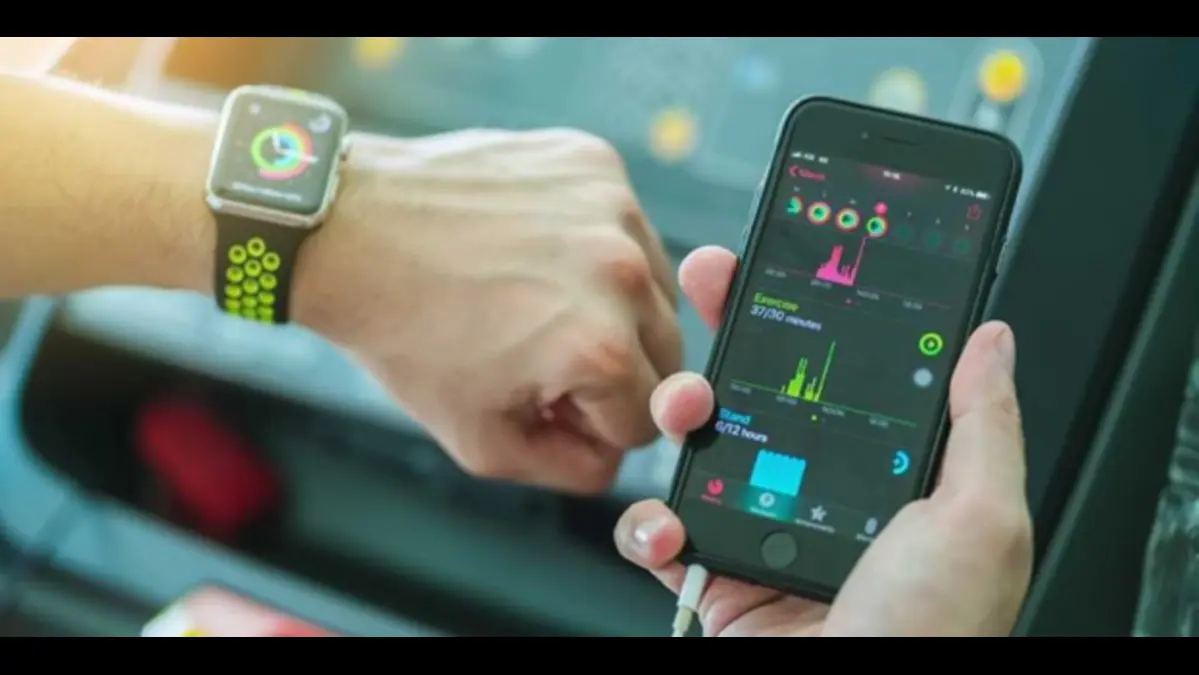
Smartwatches remain the most recognizable category of wearable technology. Modern smartwatches go far beyond telling time by offering health tracking, GPS navigation, messaging, contactless payments, sleep analysis, and voice assistants. They have become powerful companions for both personal and professional use.
Fitness bands continue to attract users who primarily want activity tracking without the additional features of a smartwatch. These lightweight devices monitor daily steps, calories burned, heart rate, exercise sessions, and sleep quality while offering excellent battery life at a lower cost.
The wearable market has also expanded to include smart rings, smart glasses, wireless earbuds with health sensors, wearable ECG monitors, and even smart clothing. Each category addresses different user needs, demonstrating how wearable technology is becoming increasingly specialized.
The Role of Artificial Intelligence in Wearables
wearables feedworldtech Artificial Intelligence (AI) has become one of the driving forces behind modern wearable technology. AI helps devices analyze user behavior, detect patterns, and provide personalized recommendations based on collected data rather than simply displaying raw numbers.
Health monitoring has improved significantly thanks to AI-powered algorithms. Many wearable devices can identify irregular heart rhythms, estimate stress levels, monitor sleep stages, and recommend healthier lifestyle habits based on continuous data analysis. This makes wearable devices valuable companions for preventive healthcare.
Machine learning also improves device performance over time. As users continue wearing their devices, AI becomes better at understanding daily routines, exercise habits, and health patterns, resulting in more accurate insights and increasingly personalized experiences.
Health and Fitness Benefits of Wearables
One of the biggest reasons behind the popularity of wearable technology is its ability to encourage healthier lifestyles. Activity reminders, step counters, workout tracking, hydration alerts, and calorie monitoring help users stay motivated and accountable throughout the day.
Wearables also support individuals managing chronic health conditions. Heart rate monitoring, blood oxygen tracking, ECG functionality, and sleep analysis provide valuable information that users can share with healthcare professionals when necessary. Although wearable devices are not substitutes for medical equipment, they offer useful health insights between doctor visits.
Mental wellness has become another important focus area. Many wearable devices now include breathing exercises, guided meditation sessions, stress detection, mindfulness reminders, and sleep coaching to help users improve both physical and emotional well-being.
Wearables in Business and Industry
Wearable technology is no longer limited to consumer markets. Businesses across various industries have adopted wearable solutions to improve productivity, communication, and workplace safety.
Manufacturing companies use smart glasses to display assembly instructions directly in workers’ field of view, reducing errors and improving efficiency. Warehouse employees benefit from wearable scanners that speed up inventory management while keeping both hands free for physical tasks.
Healthcare professionals also use wearable devices to monitor patients remotely. Continuous monitoring enables faster responses to health concerns while reducing unnecessary hospital visits. Remote patient monitoring has become increasingly valuable for elderly care and chronic disease management.
Challenges Facing Wearable Technology
Despite impressive advancements, wearable technology still faces several challenges. Privacy remains one of the biggest concerns since wearable devices collect sensitive health and personal information. Manufacturers must prioritize strong encryption, secure cloud storage, and transparent privacy policies.
Battery life continues to limit some wearable devices. Although improvements have been made, advanced features such as GPS, continuous heart rate monitoring, and bright displays can quickly drain batteries. Consumers increasingly expect longer battery life without sacrificing performance.
Another challenge involves accuracy. While wearable sensors have become more reliable, measurements can still vary depending on device placement, user movement, and environmental conditions. Ongoing research aims to improve sensor precision and reliability across different activities.
Emerging Trends in Wearable Technology
The wearable industry continues evolving rapidly with exciting new developments appearing each year. Smart rings are becoming increasingly popular because they provide health tracking in a compact and comfortable design that many users prefer over larger smartwatches.
Augmented reality glasses are also gaining attention. These devices overlay digital information onto the real world, opening new possibilities for education, navigation, industrial training, gaming, and remote collaboration. As hardware becomes lighter and more affordable, adoption is expected to increase.
Another important trend is the integration of wearable devices with broader smart ecosystems. Wearables now connect seamlessly with smartphones, smart homes, connected vehicles, and cloud-based health platforms, creating a more unified digital experience for users.
How to Choose the Right Wearable Device
Selecting the best wearable depends largely on individual needs and lifestyle. Fitness enthusiasts may prioritize workout tracking, GPS accuracy, and water resistance, while business professionals might value productivity features such as notifications, voice assistants, and calendar integration.
Battery life should always be considered before purchasing a wearable device. Some products require daily charging, whereas others can operate for several days or even weeks on a single charge. Understanding your usage habits can help narrow the available options.
Compatibility also plays an important role. Buyers should ensure that their wearable device works smoothly with their smartphone operating system and preferred applications. A device with excellent hardware may still provide a poor experience if software compatibility is limited.
The Future of Wearables FeedWorldTech
The future of Wearables FeedWorldTech looks incredibly promising as technological innovation continues accelerating. Future devices are expected to feature even more advanced health monitoring capabilities, including non-invasive glucose monitoring, improved blood pressure tracking, and early disease detection powered by artificial intelligence.
Miniaturization will allow manufacturers to build smaller, lighter, and more comfortable devices without sacrificing performance. Flexible displays, advanced biometric sensors, and energy-efficient processors will further enhance the user experience while extending battery life.
As wearable technology becomes more deeply integrated into healthcare, education, sports, and enterprise solutions, it will continue reshaping how people interact with digital information. The combination of AI, cloud computing, and next-generation sensors will make wearable devices smarter, more accurate, and increasingly valuable in everyday life.
Conclusion
Wearable technology has become one of the fastest-growing sectors in consumer electronics, offering practical benefits that extend far beyond simple fitness tracking. From monitoring health and improving workplace efficiency to enhancing communication and supporting daily productivity, wearable devices continue to evolve at an impressive pace.
The concept of Wearables FeedWorldTech reflects the growing demand for reliable information about wearable innovations, industry developments, and emerging technologies. As manufacturers continue introducing smarter devices with powerful AI capabilities, wearable technology is expected to play an even greater role in people’s personal and professional lives.
Whether you’re a technology enthusiast, a fitness-focused individual, a healthcare professional, or simply someone interested in staying connected, wearable technology offers exciting opportunities. Keeping up with the latest Wearables FeedWorldTech trends can help you make informed decisions and better understand the innovations shaping the future of connected living.
You May Also Read: Ftasiastock Technology